Precious

Manik (Ruby) Moti (Pearl) Coral Powle Pachu (Emerald) Hira (Diamond) Gomed (Hessonite) Vaidoorya (Cat’s Eye) Pukhraj (Yellow Sapphire) Neelam (Blue Sapphire)

At Shree Crystals, we focus on quality, authenticity, and customer trust:

We aim to help customers make informed and confident choices.

Our Promise

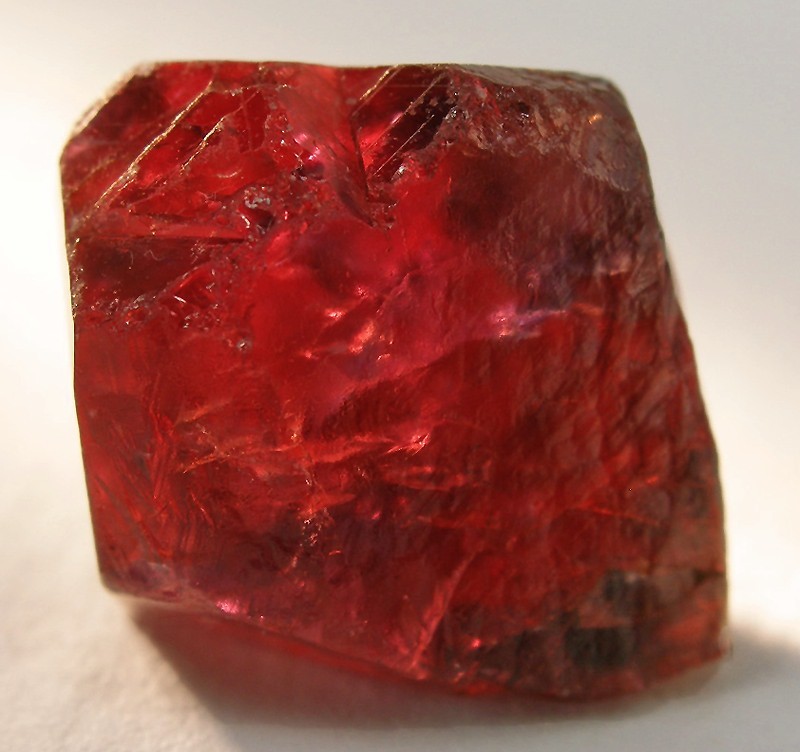
Manik (Ruby)

Manik, commonly known as Ruby, is one of the most powerful and precious gemstones in the Navratna category. It is associated with the Sun in Vedic astrology and represents energy, confidence, authority, and vitality. Ruby is admired for its deep red color and strong presence, making it highly desirable for both astrological use and fine jewelry.

At ShreeCrystal, we offer carefully selected Manik (Ruby) gemstones that are chosen for their quality, authenticity, and suitability.

Origin – Countries Where Ruby is Found
  • India
  • Myanmar (Burma)
  • Sri Lanka
  • Thailand
  • Mozambique
  • Madagascar
Scientific, Physical and Chemical Properties
  • Mineral Family: Corundum
  • Chemical Composition: Aluminum Oxide (Al₂O₃)
  • Color: Red (light red to deep blood red)
  • Hardness: 9 on Mohs scale
  • Refractive Index: 1.76–1.77
  • Specific Gravity: 3.9–4.1
  • Transparency: Transparent to translucent

Ruby gets its red color due to the presence of chromium and is known for its durability and brilliance.

Key Benefits of Manik (Ruby)

When worn after proper consultation, Ruby is believed to provide:

  • Increased confidence and leadership qualities
  • Growth in career and recognition
  • Strong decision-making ability
  • Improved energy levels and vitality
  • Support in authority, government, and leadership roles
  • Removal of fear and self-doubt

Ruby is especially beneficial for individuals seeking success, power, and recognition.

Quality Factors of Ruby

When selecting a Ruby, the following factors are important:

  • Color: The most important factor. Deep red or “pigeon blood red” is considered the finest quality.
  • Clarity: Natural inclusions are common, but fewer inclusions increase value.
  • Cut: A well-cut Ruby enhances its shine and overall appearance.
  • Carat Weight: Larger stones are rarer, but quality should be prioritized over size.
  • Treatment: Untreated and natural Rubies are more valuable and preferred.
Types of Ruby

Ruby is available in different types based on origin and appearance:

  • Burmese Ruby
  • African Ruby
  • Thai Ruby
  • Star Ruby
  • Pink Ruby

Each type has its own unique color tone and characteristics.

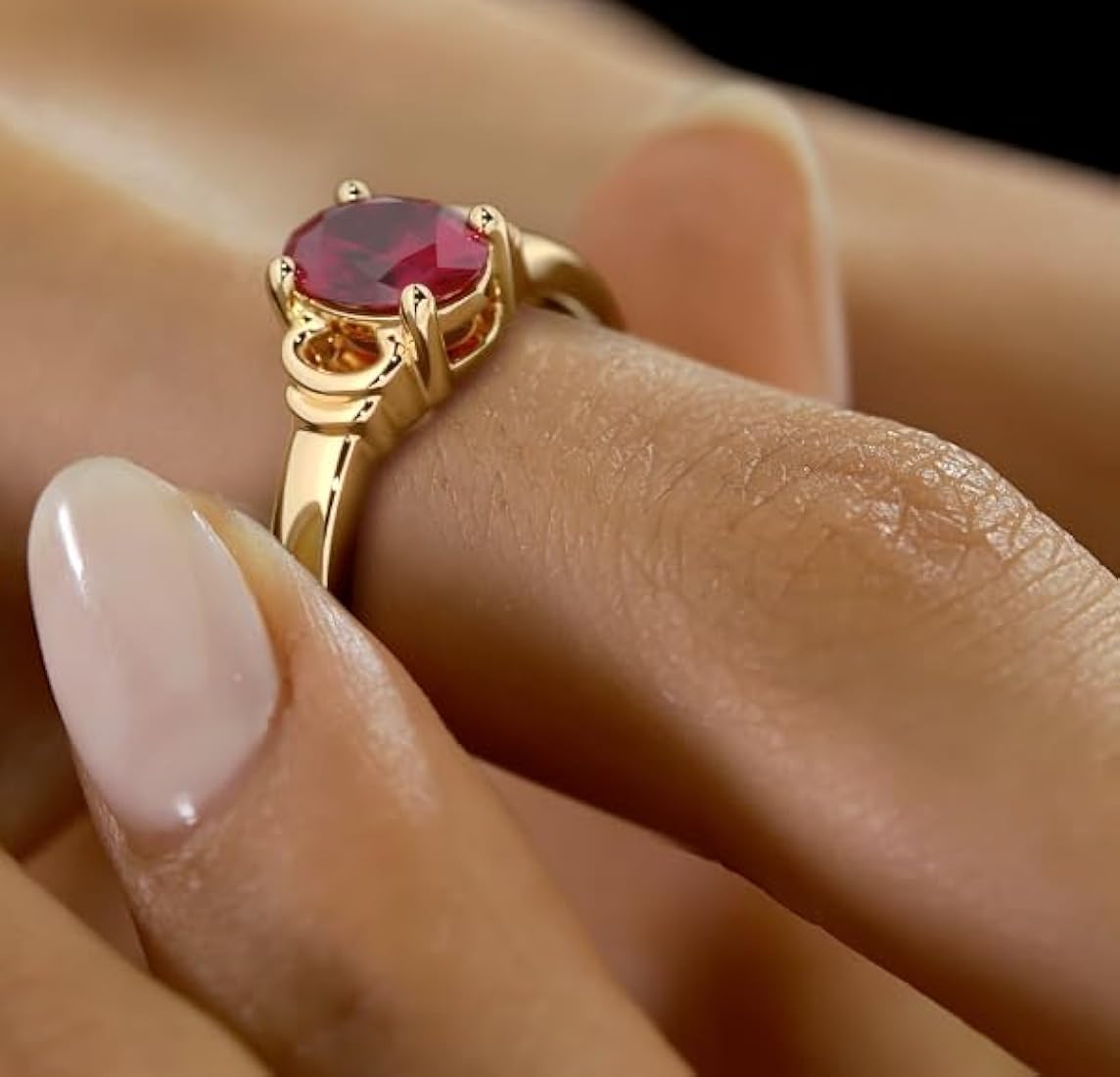
Ring

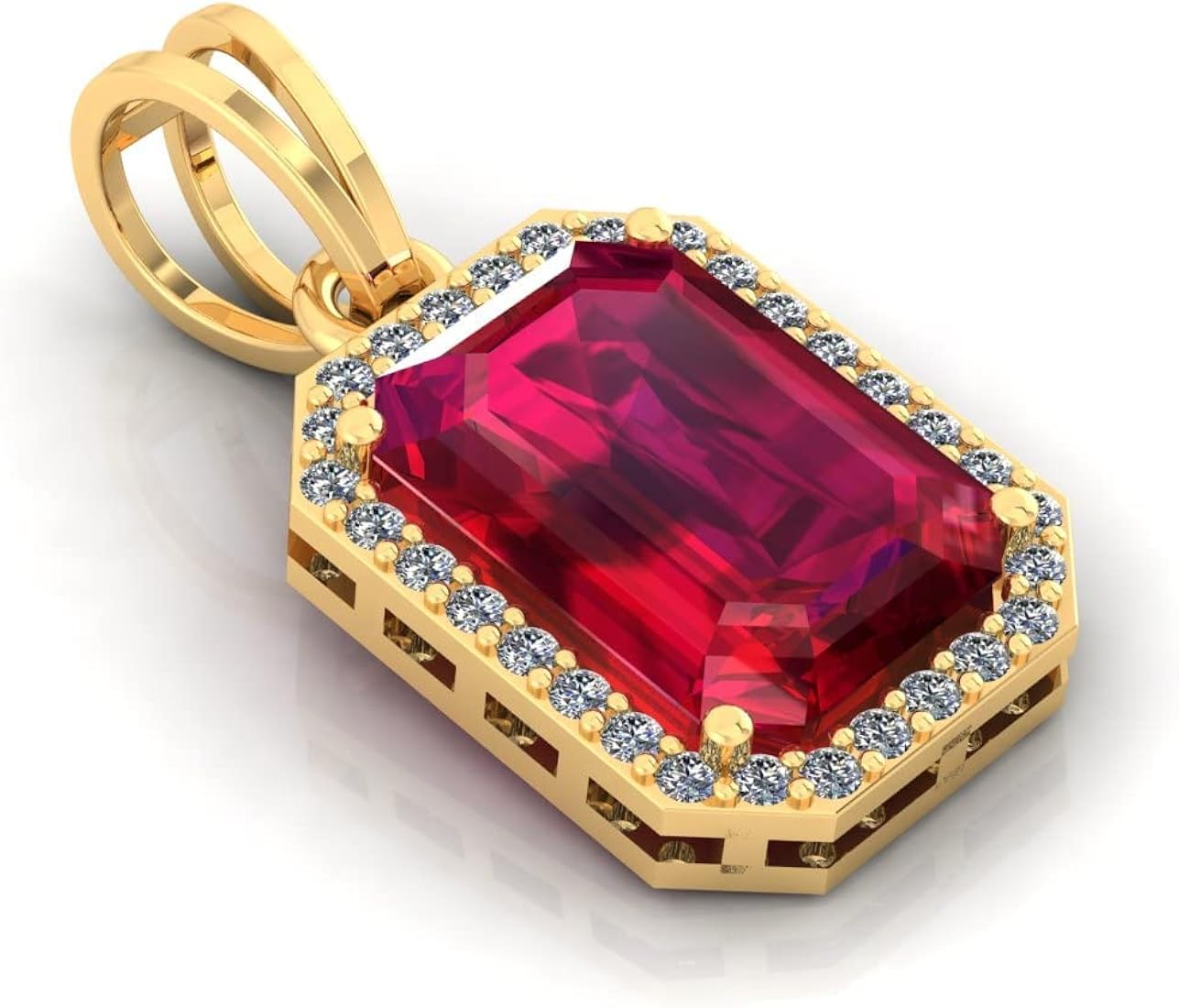
Pendant

Note: Worn only After proper Cosultation. Wearing a gemstone without guidence may not give desired results.


For Proper Undertanting and guidence of gemstone desired result and more details
Consult Now

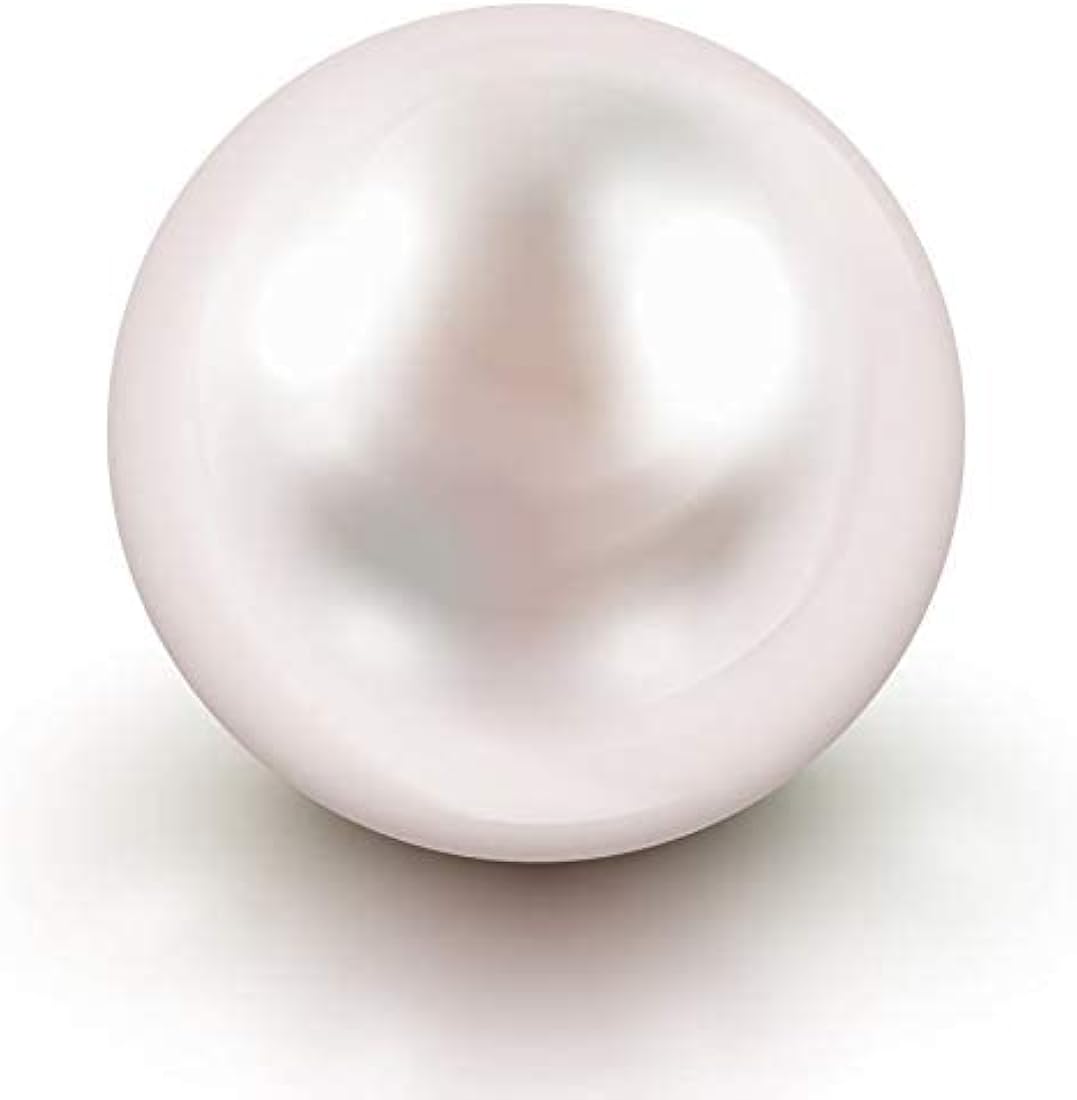
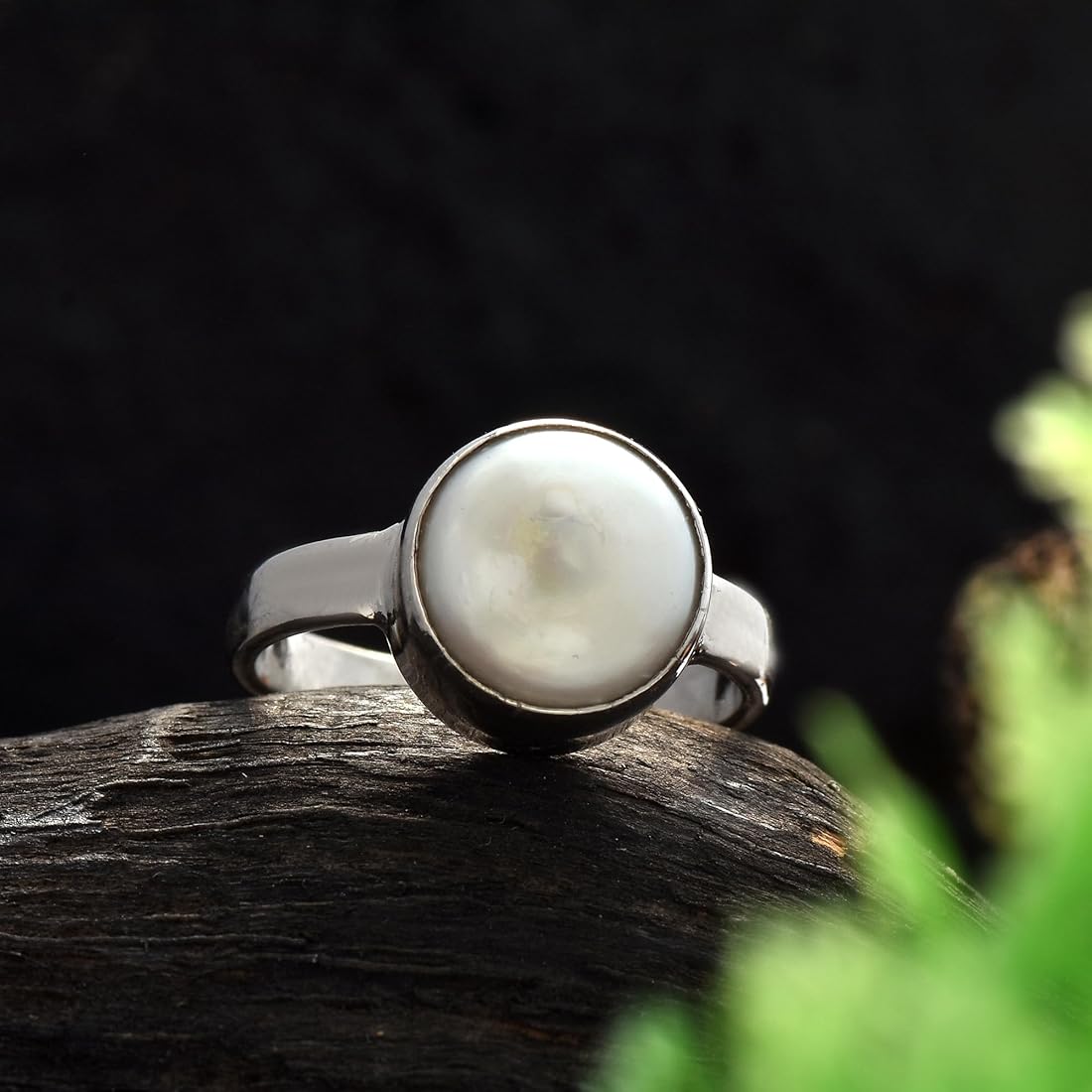
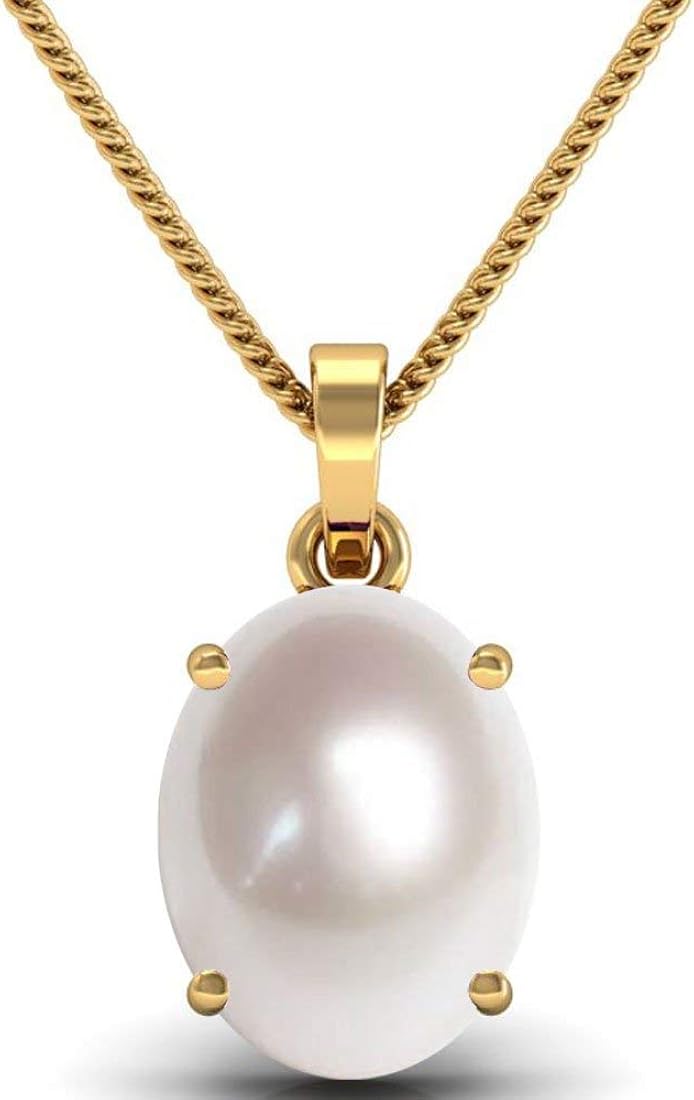
Moti (Pearl)

Moti, commonly known as Pearl, is a unique organic gemstone formed inside living mollusks. It is associated with the Moon in Vedic astrology and represents calmness, emotional balance, and mental clarity. Pearl is widely valued for its soothing energy and natural beauty, making it suitable for both astrological use and elegant jewelry.

At ShreeCrystal, we provide carefully selected Moti (Pearl) gemstones that are chosen for their quality and authenticity.

Pearls are found in the following regions:
  • India
  • Japan
  • China
  • Australia
  • Tahiti (French Polynesia)
Scientific, Physical and Chemical Properties
  • Chemical Composition: Calcium Carbonate (CaCO₃)
  • Structure: Nacre (layered formation)
  • Color:White, cream, pink, silver, black
  • Hardness: 2.5–4.5 on Mohs scale
  • Luster: Soft, natural glow
  • Shape: Round, oval, baroque (irregular)

Pearl is formed when a mollusk produces layers of nacre around an irritant, resulting in a smooth and lustrous gemstone.

Key Benefits of Moti (Pearl)

When worn after proper consultation, Pearl is believed to provide:

  • Mental peace and emotional stability
  • Reduction in stress, anxiety, and overthinking
  • Improved sleep and calmness
  • Better emotional balance in relationships
  • Enhanced clarity in thinking and decision-making
  • Support for creativity and positive mindset

It is especially beneficial for individuals seeking emotional harmony and inner peace.

Quality Factors of Pearl

When selecting a Pearl, the following factors should be considered:

  • Luster: A high-quality pearl will have a bright and reflective glow.
  • Surface Quality: Fewer blemishes or marks indicate better quality.
  • Shape: Round pearls are considered most valuable, but other shapes also have aesthetic appeal.
  • Size: Larger pearls are generally more valuable..
  • Color: White and cream are common, while pink, silver, and black pearls are also popular.
  • Type: Natural pearls are rare, while cultured pearls are more commonly available.
Types of Pearl

Pearls are available in different types based on their formation and source:

  • Natural Pearl
  • Cultured Pearl
  • Freshwater Pearl
  • Akoya Pearl
  • South Sea Pearl
  • Tahitian Pearl

Each type differs in size, luster, and overall appearance.

Ring

Pendant

Note: Worn only After proper Cosultation. Wearing a gemstone without guidence may not give desired results.

For Proper Undertanting and guidence of gemstone desired result and more details
Consult Now

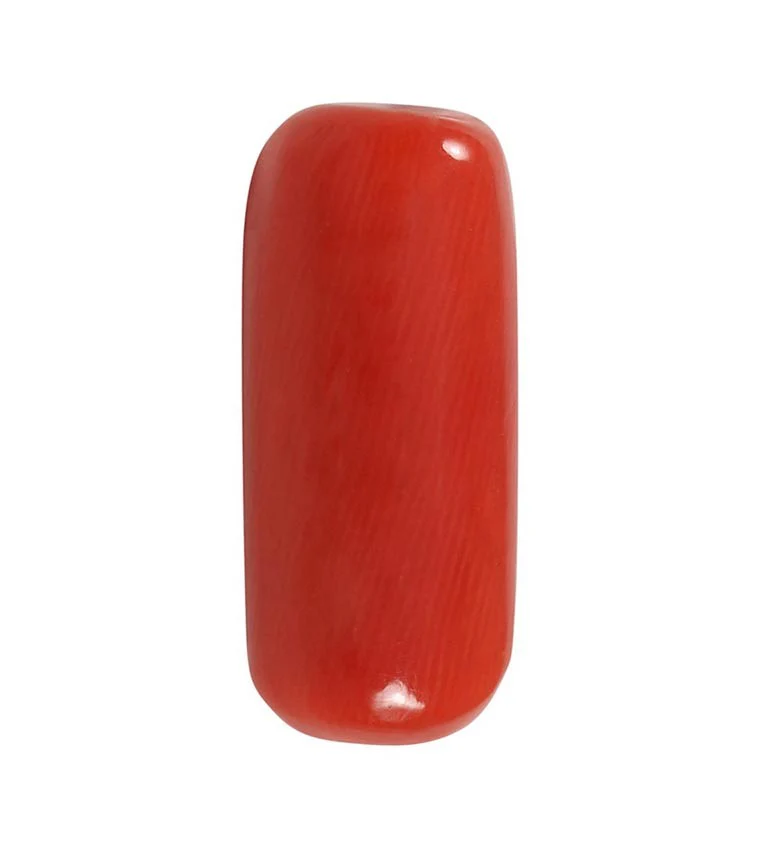
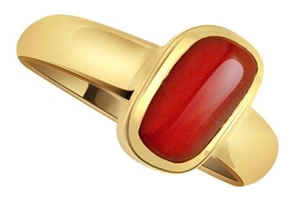
Moonga / Coral (Powle)

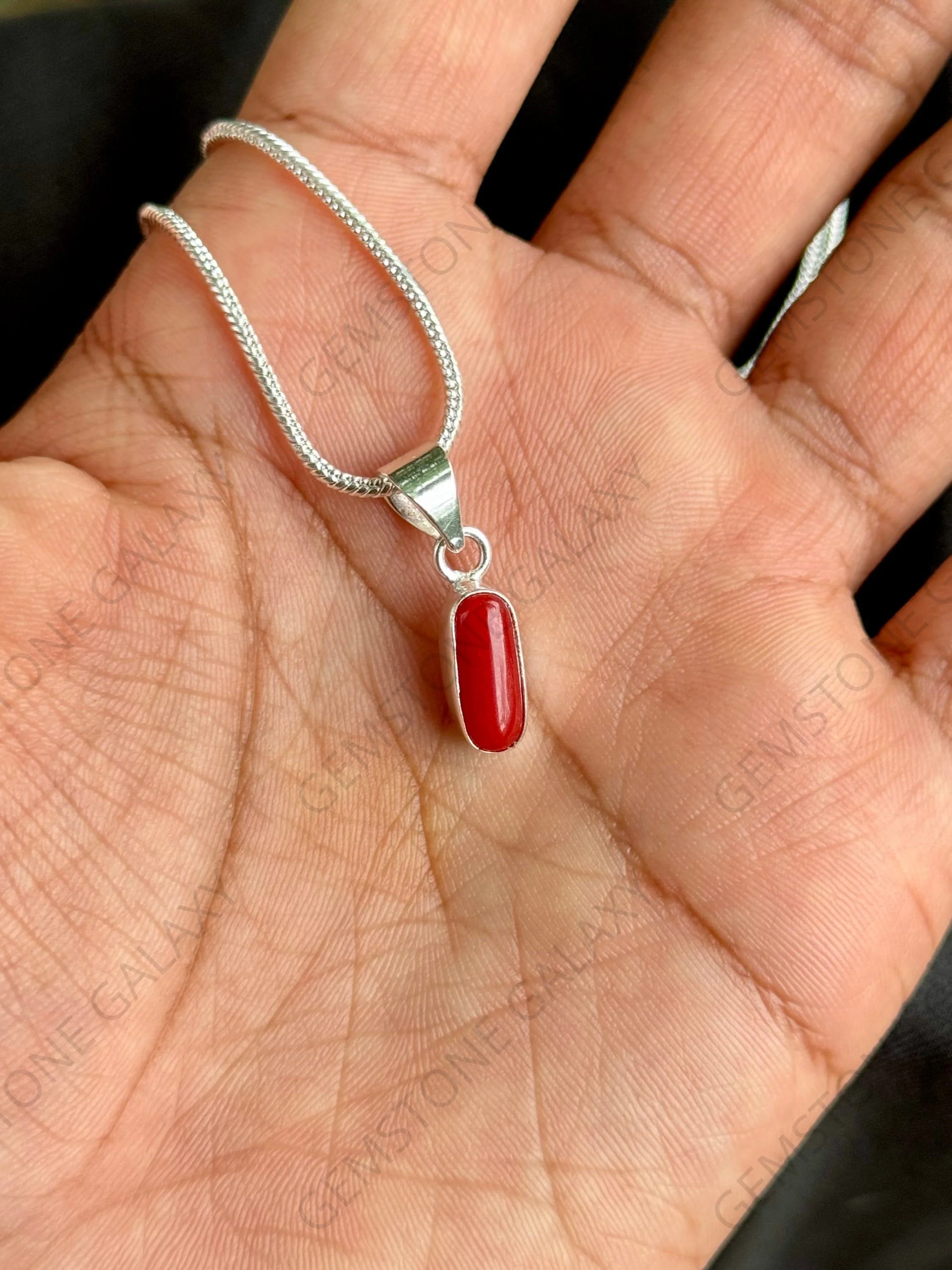
Coral, also known as Moonga or Powle, is a unique organic gemstone formed from marine organisms found deep in the ocean. It is associated with the planet Mars in Vedic astrology and represents courage, strength, and action. Coral is widely valued for its vibrant red color and is commonly used in rings and pendants for both astrological and decorative purposes.

At ShreeCrystal, we provide carefully selected Coral gemstones known for their quality and suitability.

Origin – Countries Where Coral is Found
  • India
  • Italy
  • Japan
  • Australia
  • Taiwan
  • Mediterranean Sea region
Scientific, Physical and Chemical Properties
  • Chemical Composition: Calcium Carbonate (CaCO₃)
  • Nature: Organic gemstone (formed by marine life)
  • Color:Red, orange-red, pink
  • Hardness: 3–4 on Mohs scale
  • Structure: Porous and matte texture
  • Transparency: Opaque

Coral is formed from the skeletal remains of marine polyps and is polished to achieve a smooth and glossy finish.

Key Benefits of Coral (Moonga)

When worn after proper consultation, Coral is believed to offer:

  • Increased courage, confidence, and strength
  • Enhanced energy levels and motivation
  • Support in overcoming fear and hesitation
  • Improvement in decision-making and action-taking
  • Benefits in business, property, and leadership roles
  • Support for physical vitality and stamina

It is especially beneficial for individuals needing strength, determination, and assertiveness.

Quality Factors of Coral

When selecting Coral, the following factors are important:

  • Color: Deep red and uniform color is considered the best quality.
  • Surface Quality: A smooth, flawless surface without cracks or holes indicates higher quality.
  • Shape and Cut: Well-polished and evenly shaped Coral enhances its appearance.
  • Texture: Dense and non-porous Coral is more valuable.
  • Natural vs Dyed: Natural Coral is preferred over dyed or treated varieties.
Types of Coral

Coral is available in different types based on color and origin:

  • Red Coral
  • Italian Coral
  • Japanese Coral
  • Pink Coral
  • Orange Coral
  • White Coral

Each type varies in shade, density, and overall appearance.

Ring

Pendant

Note: Worn only After proper Cosultation. Wearing a gemstone without guidence may not give desired results.

For Proper Undertanting and guidence of gemstone desired result and more details
Consult Now

Pachu (Emerald)

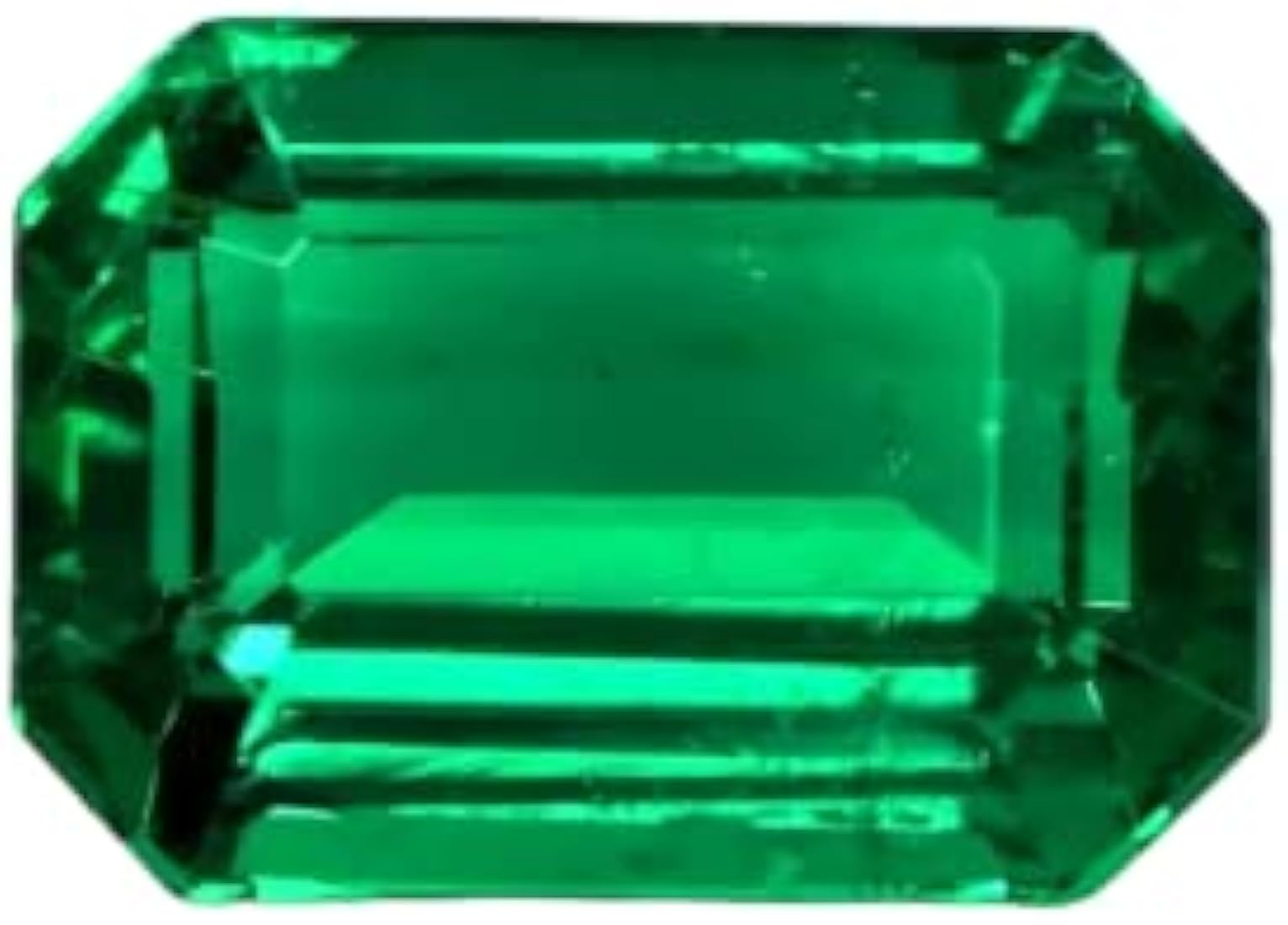
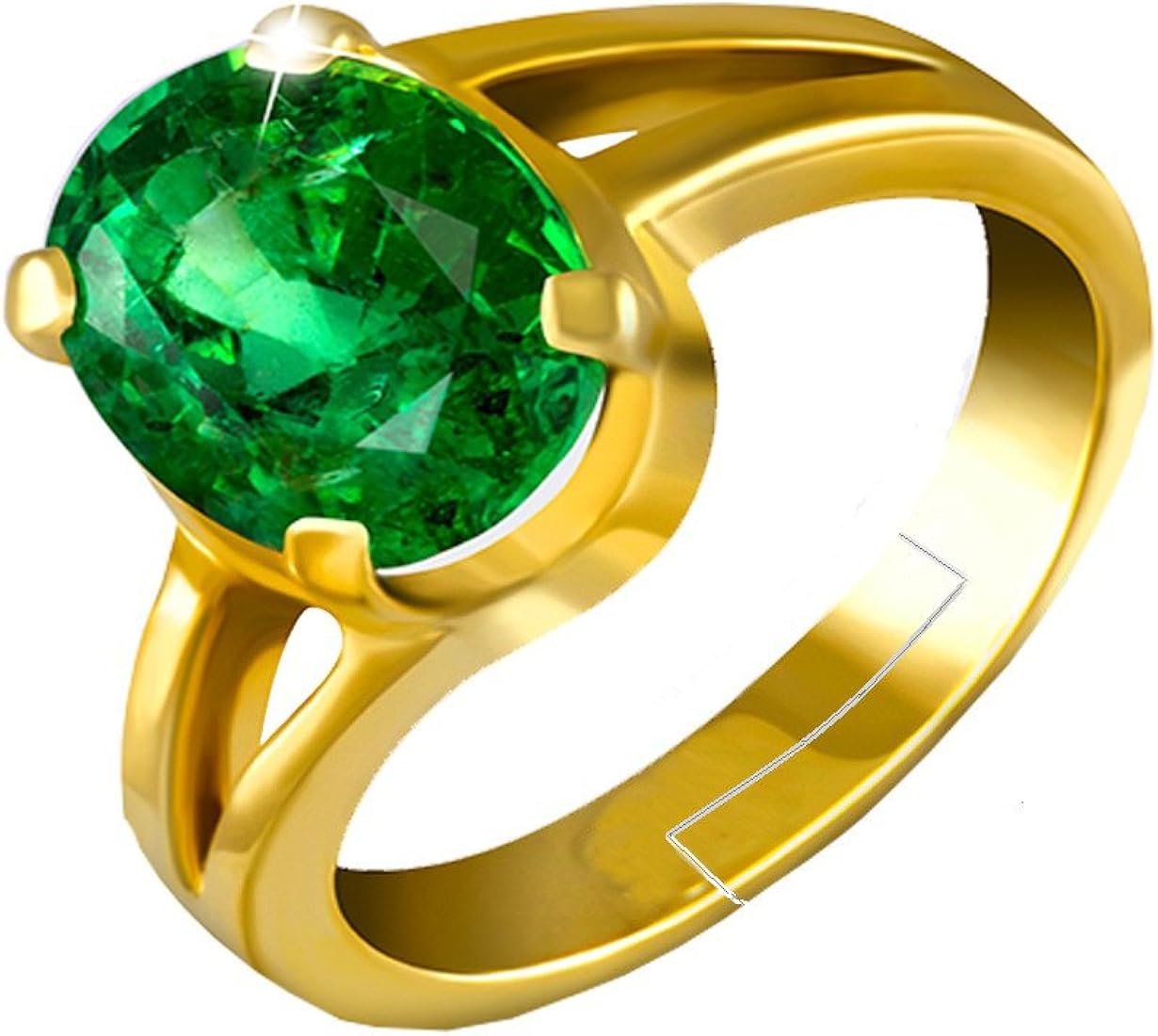
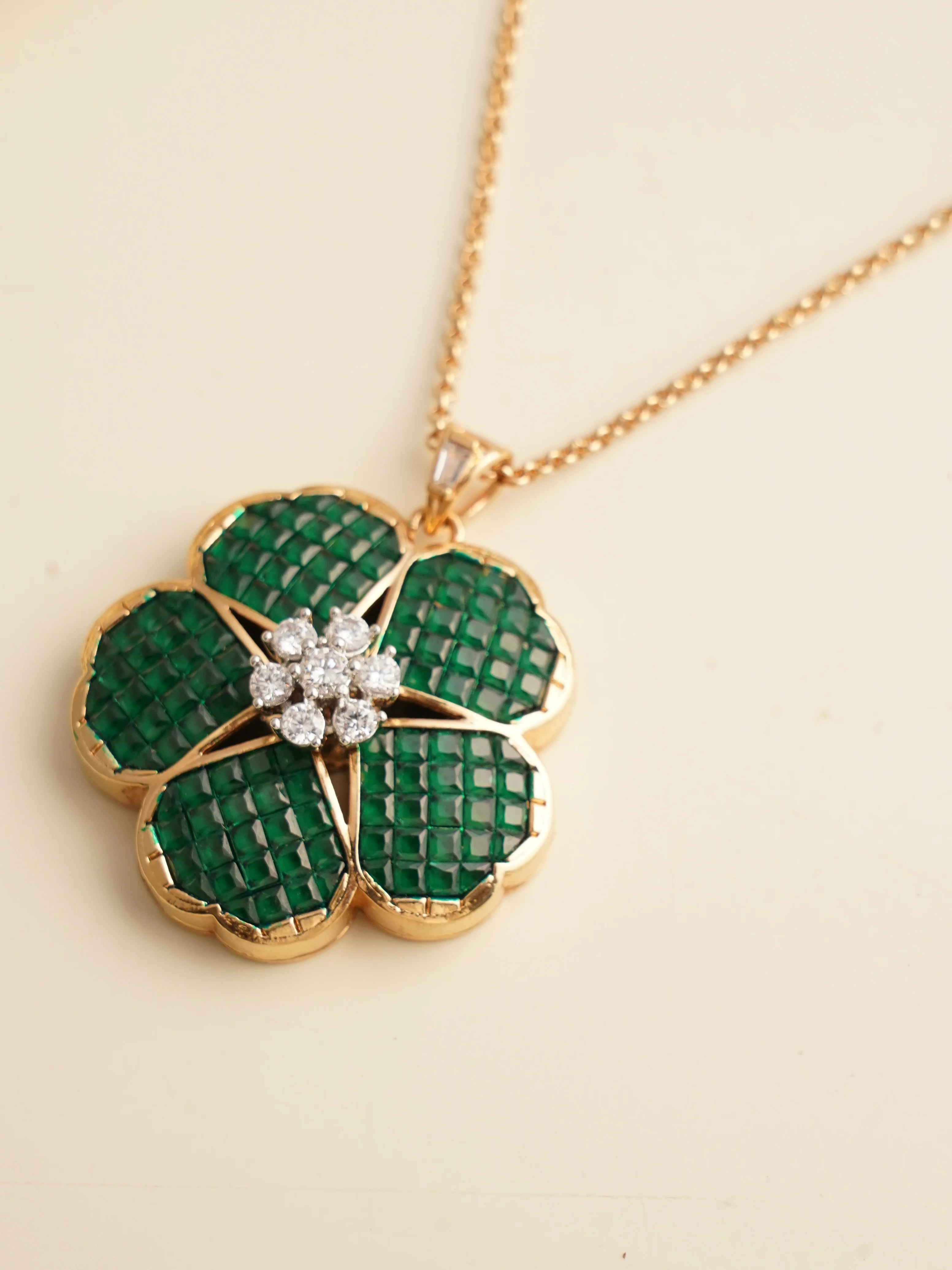
Emerald, also known as Pachu, is a highly valued gemstone known for its rich green color and strong association with intelligence and communication. It is linked to the planet Mercury in Vedic astrology and represents wisdom, clarity of thought, and creativity. Emerald is widely used in rings and pendants for both astrological and ornamental purposes.

At ShreeCrystal, we offer carefully selected Emerald (Pachu) gemstones chosen for their quality, authenticity, and suitability.

Origin – Countries Where Emerald is Found
  • India
  • Colombia
  • Zambia
  • Brazil
  • Zimbabwe
  • Afghanistann
Scientific, Physical and Chemical Properties
  • Mineral Family: Beryl
  • Chemical Compositionture: Beryllium Aluminum Silicate (Be₃Al₂Si₆O₁₈)
  • Color: Green (light to deep green)
  • Hardness: 7.5–8 on Mohs scale
  • • Refractive Index: 1.57–1.58
  • • Specific Gravity: 2.7–2.8
  • Transparency: Transparent to translucent

Emerald gets its green color from trace elements like chromium and vanadium and is known for its natural inclusions.

Key Benefits of Emerald (Pachu)

When worn after proper consultation, Emerald is believed to provide:

  • Improved intelligence, memory, and focus
  • Enhanced communication and speaking skills
  • Support in education and learning
  • Growth in business and financial matters
  • Increased creativity and analytical ability
  • Better decision-making and clarity of thought

It is especially beneficial for students, professionals, and business individuals.

Quality Factors of Emerald

When selecting an Emerald, the following factors are important:

  • Color: A vivid and rich green color is considered the best quality.
  • Clarity: Emeralds naturally contain inclusions (known as “jardin”), but fewer visible inclusions are preferred.
  • Cut: A well-cut Emerald enhances its color and brilliance.
  • Transparency: Higher transparency increases value and visual appeal.
  • Treatment: Natural and untreated Emeralds are more valuable than treated ones.
Types of Emerald

Emerald is available in different types based on origin and characteristics:

  • Colombian Emerald
  • Zambian Emerald
  • Brazilian Emerald
  • Indian Emerald
  • Trapiche Emerald (with unique pattern)

Each type differs in color tone, clarity, and overall appearance.

Ring

Pendant

Note: Worn only After proper Cosultation. Wearing a gemstone without guidence may not give desired results.

For Proper Undertanting and guidence of gemstone desired result and more details
Consult Now

Pukhraj (Yellow Sapphire)

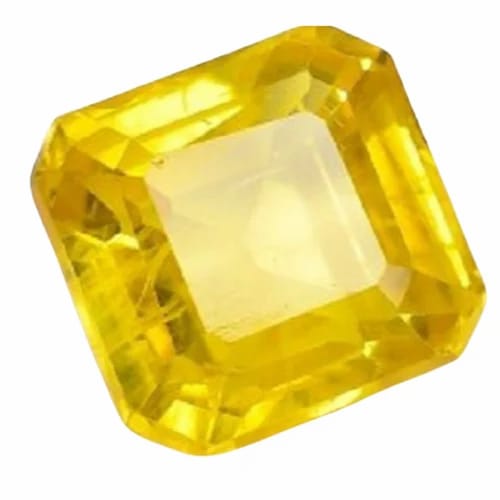
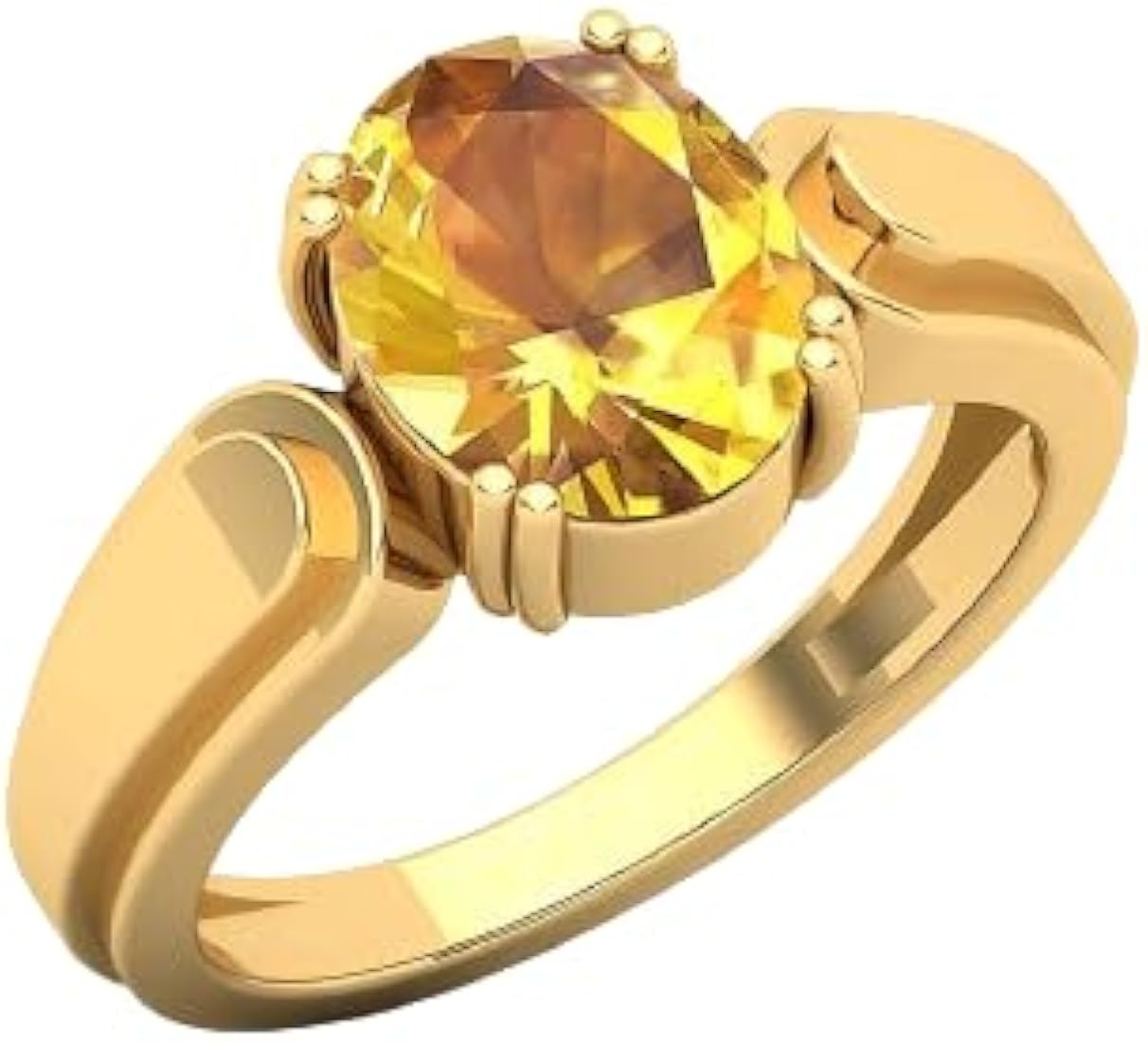
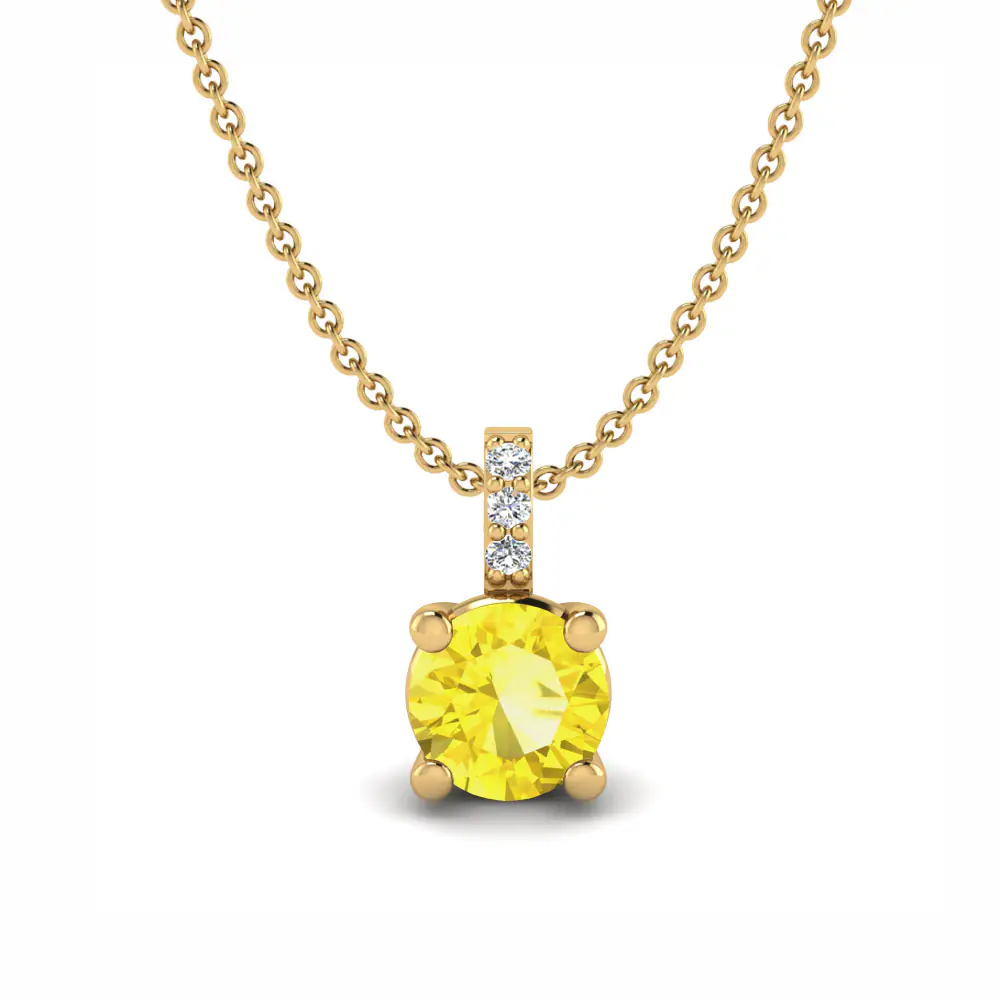
Yellow Sapphire, also known as Pukhraj, is a highly respected gemstone associated with the planet Jupiter in Vedic astrology. It symbolizes wisdom, prosperity, knowledge, and good fortune. Known for its bright yellow to golden hues, this gemstone is widely used in rings and pendants for both astrological and ornamental purposes.

At ShreeCrystal, we provide carefully selected Yellow Sapphire (Pukhraj) gemstones that meet quality and authenticity standards.

Origin – Countries Where Yellow Sapphire is Found
  • India
  • Sri Lanka (Ceylon)
  • Thailand
  • Madagascar
  • Australia
  • Tanzania
Scientific, Physical and Chemical Properties
  • Mineral Family: Corundum
  • Chemical Compositionture: Aluminum Oxide (Al₂O₃)
  • Color: Yellow (light yellow to golden yellow)
  • Hardness: 9 on Mohs scale
  • Refractive Index: 1.76–1.77
  • Specific Gravity: 3.9–4.1
  • Transparency: Transparent to translucent

Yellow Sapphire gets its color from trace elements like iron and is known for its durability and brilliance.

Key Benefits of Yellow Sapphire (Pukhraj)

When worn after proper consultation, Yellow Sapphire is believed to offer:

  • Attracts wealth, prosperity, and financial stability
  • Enhances wisdom, knowledge, and decision-making
  • Supports success in education and career
  • Brings positivity, growth, and good fortune
  • Helps in marriage and relationship harmony
  • Encourages spiritual growth and clarity

It is especially beneficial for individuals seeking success, stability, and growth in life.

Quality Factors of Yellow Sapphire

When selecting a Yellow Sapphire, the following factors are important:

  • Color: Bright, vivid yellow or golden yellow color is considered the best quality.
  • Clarity: Fewer inclusions and better transparency increase the gemstone’s value.
  • Cut: A well-cut stone enhances its brilliance and overall appearance.
  • Carat Weight: Larger stones are rarer, but quality should be prioritized over size.
  • Treatment: Natural, untreated Yellow Sapphires are more valuable and preferred.
Types of Yellow Sapphire

Yellow Sapphire is available in different types based on origin and appearance:

  • Ceylon Yellow Sapphire
  • Thai Yellow Sapphire
  • Madagascar Yellow Sapphire
  • Golden Yellow Sapphire
  • Light Yellow Sapphire

Each type varies in shade, clarity, and overall visual appeal.

Ring

Pendant

Note: Worn only After proper Cosultation. Wearing a gemstone without guidence may not give desired results.

For Proper Undertanting and guidence of gemstone desired result and more details
Consult Now

Hira (Diamond)

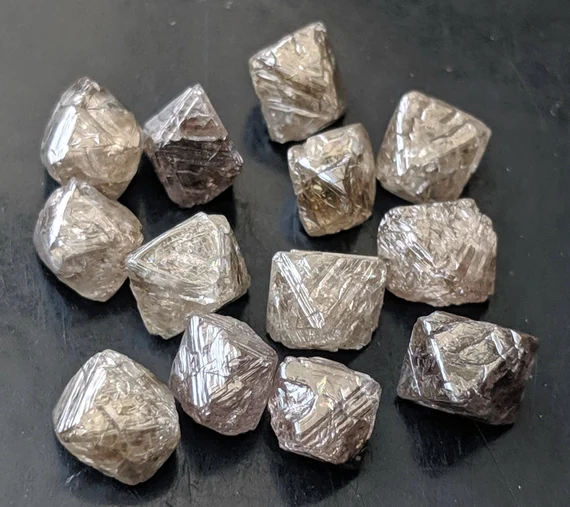
Diamond, also known as Hira, is one of the most precious and sought-after gemstones in the world. It is associated with the planet Venus in Vedic astrology and represents love, beauty, luxury, and comfort. Known for its unmatched brilliance and strength, Diamond is widely used in rings and pendants for both astrological and ornamental purposes.

At ShreeCrystal, we offer carefully selected Diamond (Hira) gemstones that are chosen for their quality, authenticity, and elegance.

Origin – Countries Where Diamond is Found
  • India
  • South Africa
  • Russia
  • Botswana
  • Canada
  • Australia
Scientific, Physical and Chemical Properties
  • Composition: Carbon (C)
  • Crystal System: Cubic
  • Color: Colorless to various shades (yellow, brown, pink, blue)
  • Hardness: 10 on Mohs scale
  • Refractive Index: 2.42
  • Specific Gravity:3.5–3.53
  • Transparency: Transparent

Diamond is formed under extreme pressure and temperature deep within the Earth and is known as the hardest natural substance.

Key Benefits of Diamond (Hira)

When worn after proper consultation, Diamond is believed to offer:

  • Enhances love, relationships, and attraction
  • Brings luxury, comfort, and material success
  • Boosts confidence, charm, and personality
  • Supports creativity and artistic abilities
  • Improves social status and lifestyle
  • Encourages positivity and emotional balance

It is especially beneficial for individuals seeking success in creative fields, relationships, and luxury-oriented lifestyles.

Quality Factors of Diamond

When selecting a Diamond, the following factors are important:

  • Cut: A well-cut Diamond reflects light beautifully and enhances brilliance.
  • Color: Colorless Diamonds are considered the highest quality, though fancy colors are also valued.
  • Clarity: Fewer inclusions and blemishes increase the gemstone’s value.
  • Carat Weight: Larger Diamonds are rarer and more valuable, but balance with quality is important.
  • Certification: Certified Diamonds ensure authenticity and quality standards.
Types of Diamond

Diamonds are available in different types based on color and formation:

  • Natural Diamond
  • Colorless Diamond
  • Fancy Color Diamond (pink, blue, yellow)
  • Rough Diamond
  • Polished Diamond
  • Lab-Grown Diamond

Each type varies in appearance, rarity, and usage.

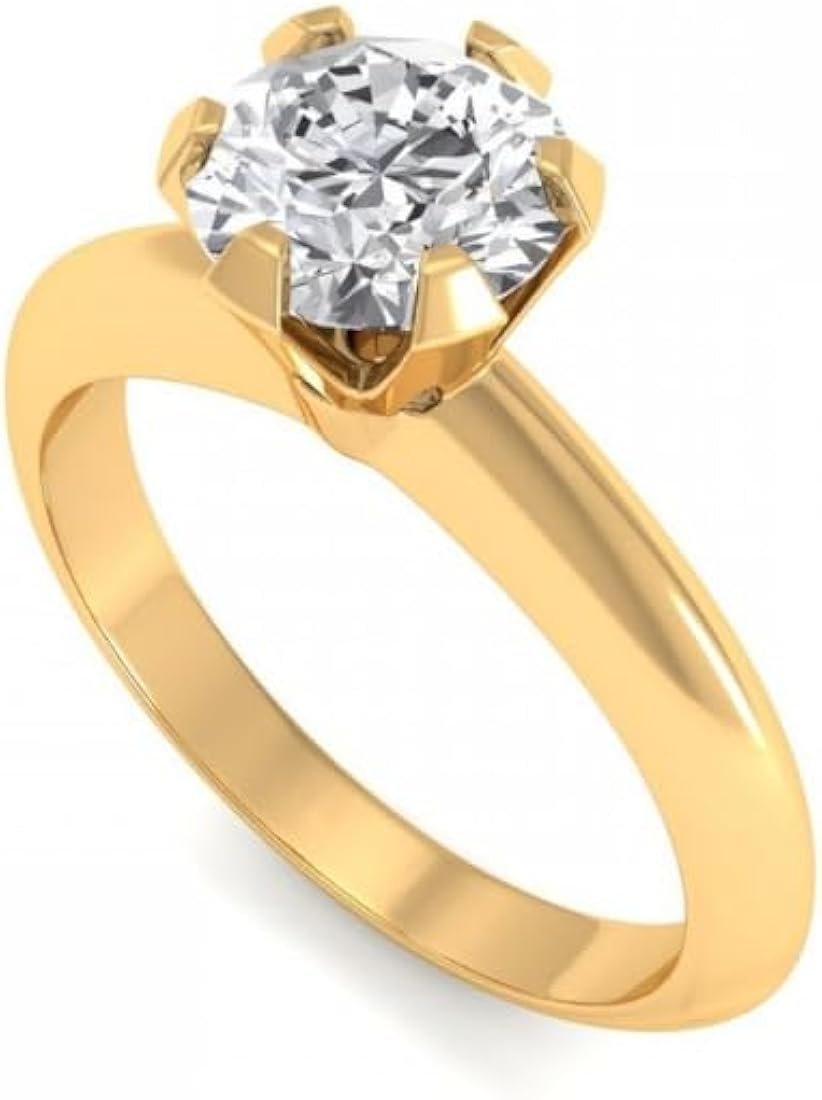
Ring

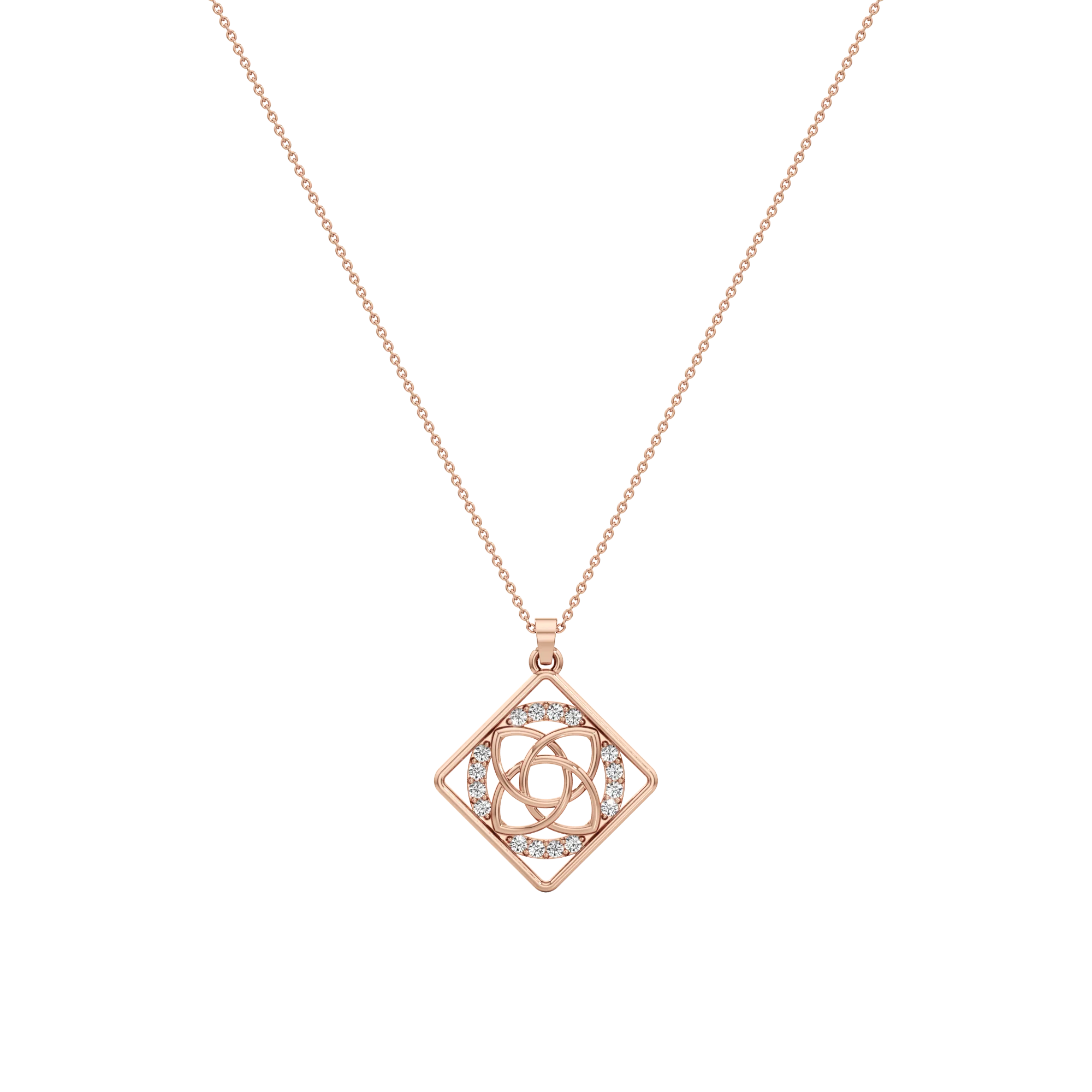
Pendant

Note: Worn only After proper Cosultation. Wearing a gemstone without guidence may not give desired results.

For Proper Undertanting and guidence of gemstone desired result and more details
Consult Now

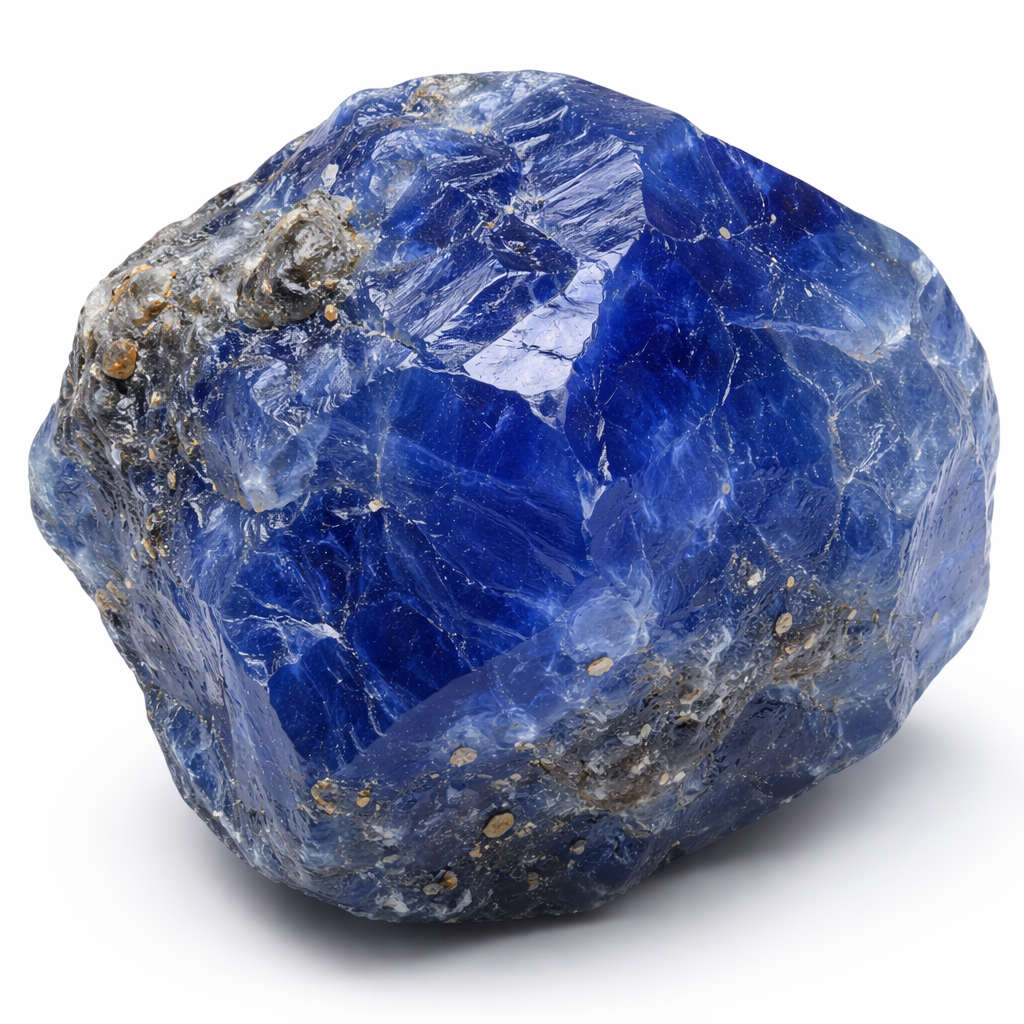
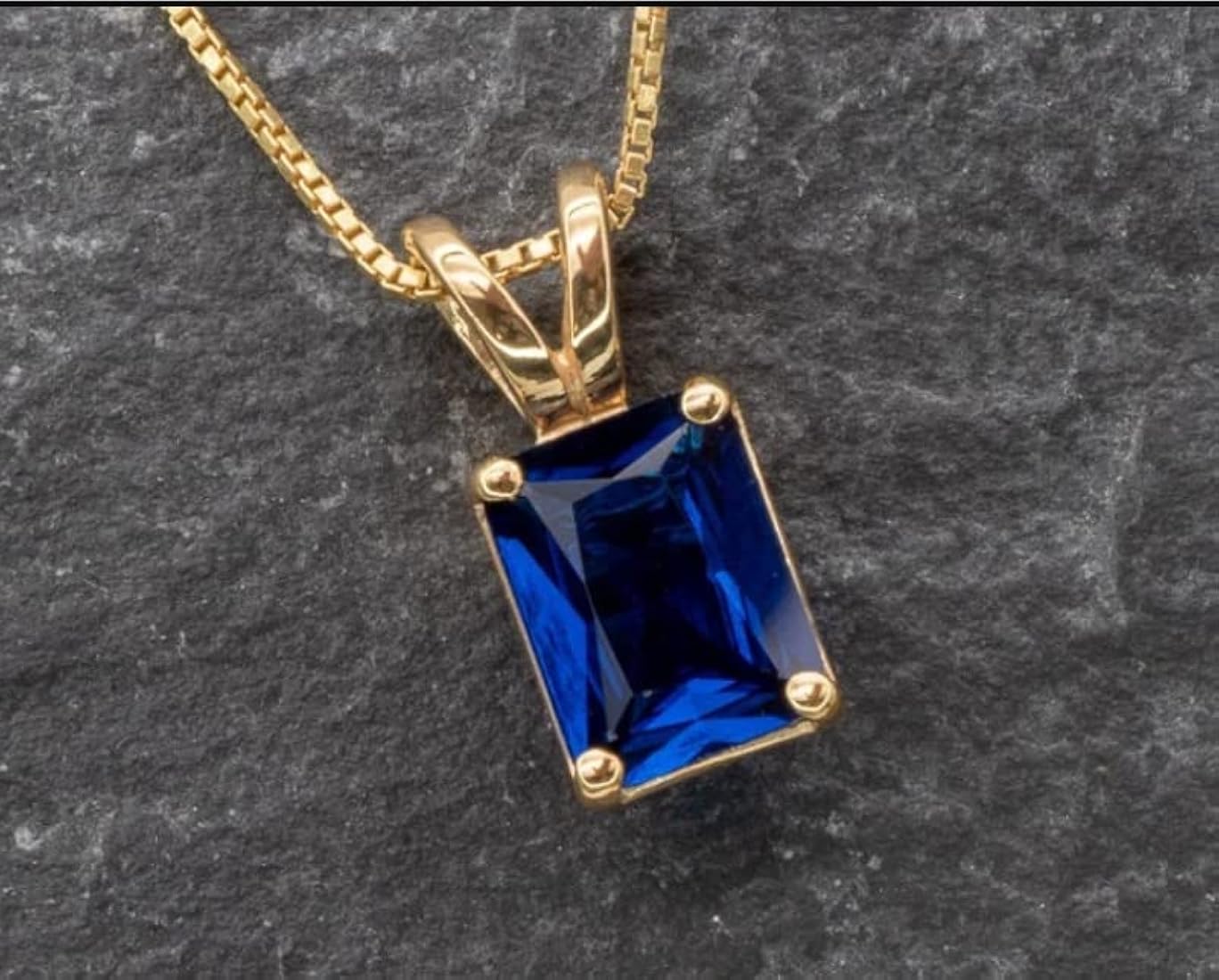
Neelam (Blue Sapphire)

Blue Sapphire, also known as Neelam, is one of the most powerful and fast-acting gemstones in Vedic astrology. It is associated with the planet Saturn and represents discipline, focus, protection, and success. Known for its deep blue color and strong influence, Blue Sapphire is widely used in rings and pendants for both astrological and ornamental purposes.

At ShreeCrystal, we offer carefully selected Blue Sapphire (Neelam) gemstones that are chosen for their quality and authenticity.

Origin – Countries Where Blue Sapphire is Found
  • Sri Lanka (Ceylon)
  • Kashmir (India)
  • Myanmar (Burma)
  • Madagascar
  • Thailand
  • Australia
Scientific, Physical and Chemical Properties
  • Mineral Family: Corundum
  • Chemical Composition: Aluminum Oxide (Al₂O₃)
  • Color: Blue (light blue to deep royal blue)
  • Hardness: 9 on Mohs scale
  • Refractive Index: 1.76–1.77
  • Specific Gravity: 3.9–4.1
  • Transparency: Transparent to translucent

Blue Sapphire gets its color from elements like iron and titanium and is known for its durability and brilliance.

Key Benefits of Blue Sapphire (Neelam)

When worn after proper consultation, Blue Sapphire is believed to offer:

  • Brings fast success and financial growth
  • Enhances focus, discipline, and determination
  • Protects from negative energies and obstacles
  • Supports career stability and professional growth
  • Improves clarity in decision-making
  • Helps in overcoming delays and challenges

It is especially beneficial for individuals seeking stability, success, and strong life direction.

Quality Factors of Blue Sapphire

When selecting a Blue Sapphire, the following factors are important:

  • Color: Deep, vivid blue or royal blue color is considered the best quality.
  • Clarity: Fewer inclusions and better transparency increase value.
  • Cut: A well-cut stone enhances brilliance and appearance.
  • Origin: Certain origins like Kashmir and Ceylon are highly valued.
  • Treatment: Untreated and natural stones are more valuable and preferred.
Types of Blue Sapphire

Blue Sapphire is available in different types based on origin and characteristics:

  • Kashmir Blue Sapphire
  • Ceylon Blue Sapphire
  • Burmese Blue Sapphire
  • Madagascar Blue Sapphire
  • Thai Blue Sapphire
  • Star Blue Sapphire

Each type differs in color tone, clarity, and overall appeal.

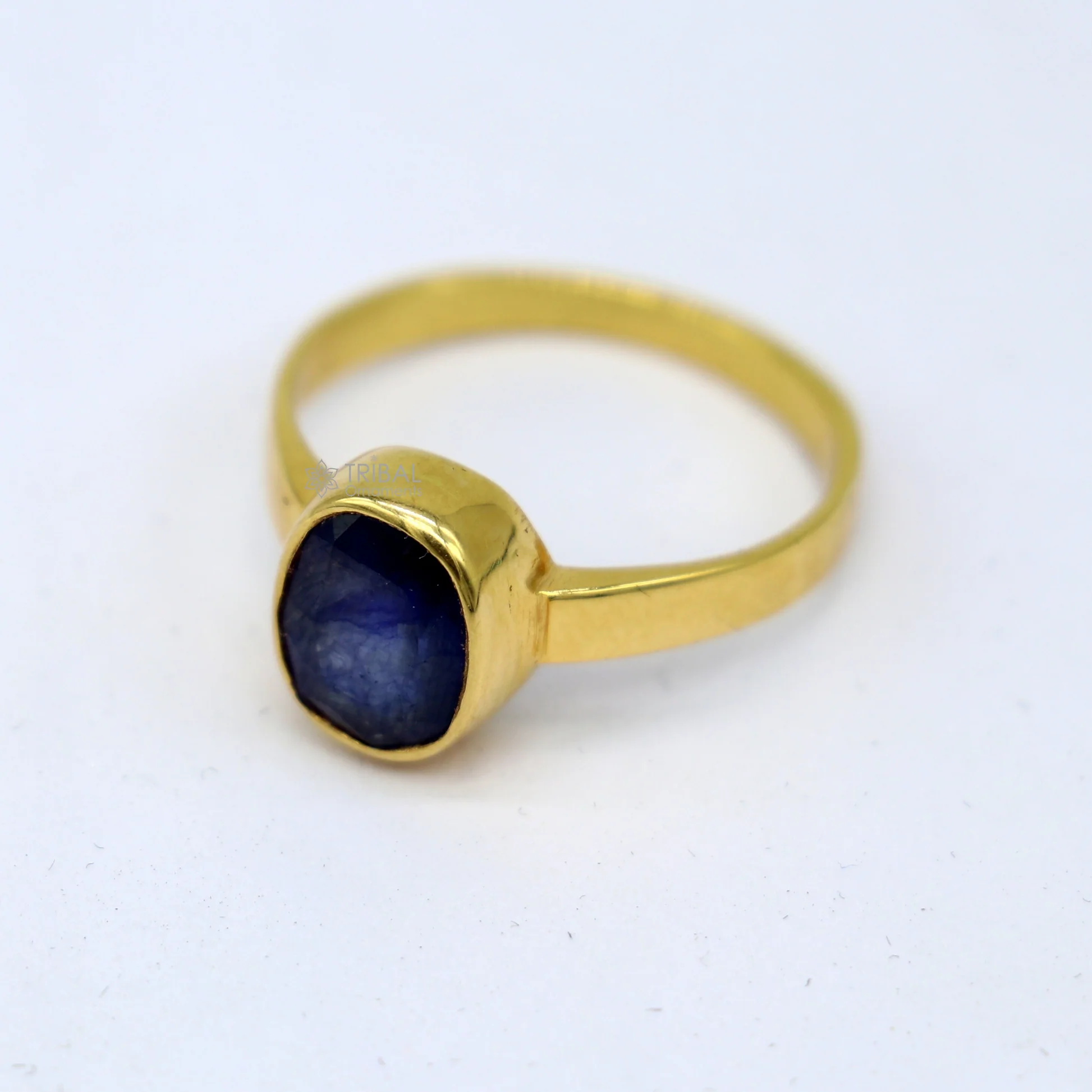
Ring

Pendant

Note: Worn only After proper Cosultation. Wearing a gemstone without guidence may not give desired results.

For Proper Undertanting and guidence of gemstone desired result and more details
Consult Now

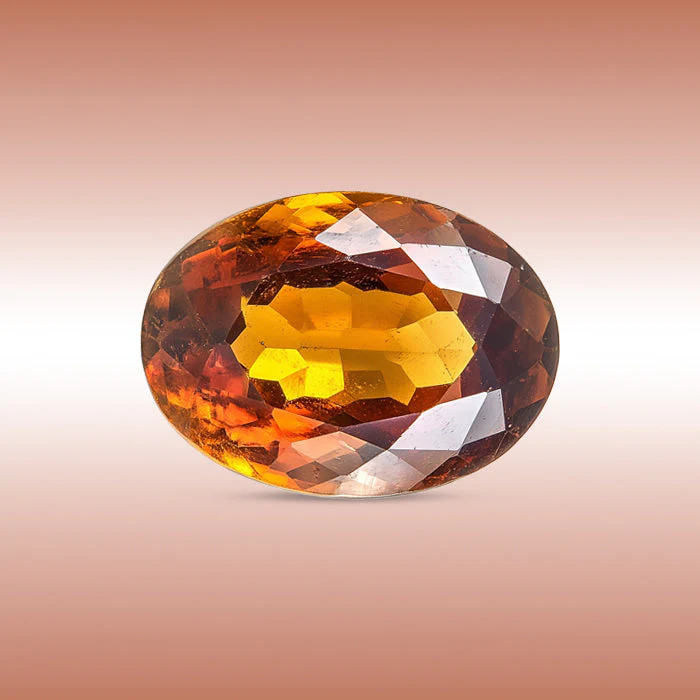
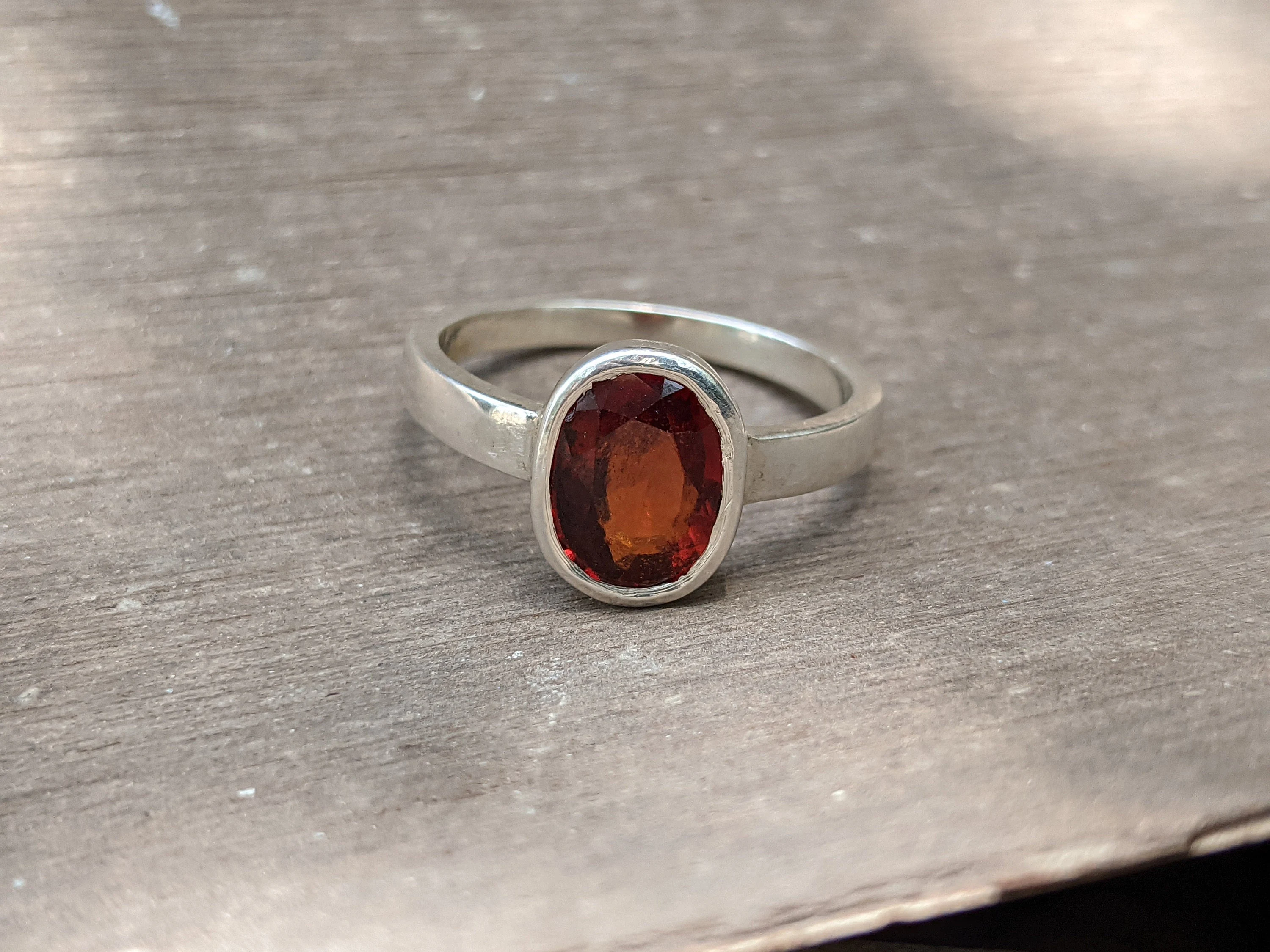
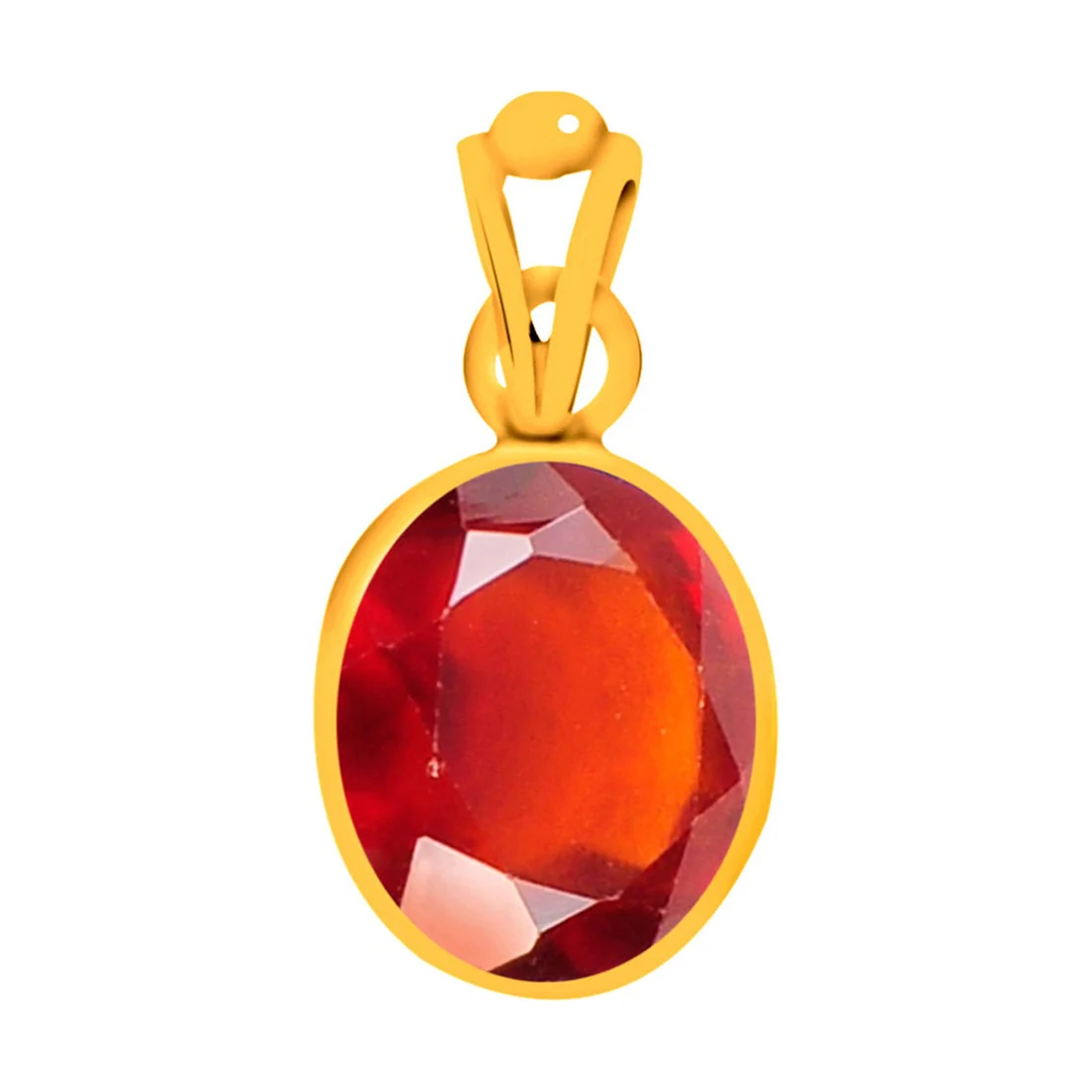
Gomed (Hessonite)

Hessonite, commonly known as Gomed, is a powerful gemstone associated with the shadow planet Rahu in Vedic astrology. It is known for its honey-brown to reddish-orange color and is valued for its ability to bring clarity, focus, and protection from negative influences. Gomed is widely used in rings and pendants for both astrological and ornamental purposes.

At ShreeCrystal, we provide carefully selected Hessonite (Gomed) gemstones that are chosen for their quality and authenticity.

Origin – Countries Where Hessonite is Found
  • India
  • Sri Lanka
  • Madagascar
  • Tanzania
  • Brazil
  • Myanmar
Scientific, Physical and Chemical Properties
  • Mineral Family: Garnet (Grossular variety)
  • Chemical Composition: Calcium Aluminum Silicate (Ca₃Al₂(SiO₄)₃)
  • Color: Honey brown, reddish-brown, orange
  • Hardness: 6.5–7.5 on Mohs scale
  • Refractive Index: 1.73–1.75
  • Specific Gravity: 3.5–3.7
  • Transparency: Transparent to translucent

Hessonite is known for its unique internal appearance, often described as “heat wave” or “treacle-like” texture.

Key Benefits of Hessonite (Gomed)

When worn after proper consultation, Hessonite is believed to offer:

  • Reduces confusion, fear, and anxiety
  • Enhances focus, clarity, and decision-making
  • Protects from negative energies and hidden obstacles
  • Supports success in competition and challenging situations
  • Helps in career growth and stability
  • Encourages confidence and mental strength

It is especially beneficial for individuals facing uncertainty, stress, or sudden challenges.

Quality Factors of Hessonite

When selecting a Hessonite, the following factors are important:

  • Color: Rich honey-brown or orange color is considered the best quality.
  • Clarity: Good transparency with minimal visible inclusions is preferred.
  • Cut: A well-cut stone enhances brightness and overall appearance.
  • Texture: Smooth internal texture without excessive cloudiness is desirable.
  • Natural vs Treated: Natural, untreated stones are more valuable and effective.
Types of Hessonite

Hessonite is available in different types based on color and origin:

  • Sri Lankan (Ceylon) Hessonite
  • Indian Hessonite
  • African Hessonite
  • Honey Color Gomed
  • Cinnamon Stone (lighter brown variety)

Each type varies in shade, clarity, and overall appearance.

Ring

Pendant

Note: Worn only After proper Cosultation. Wearing a gemstone without guidence may not give desired results.

For Proper Undertanting and guidence of gemstone desired result and more details
Consult Now

Vaiedurya (Cat’s Eye)

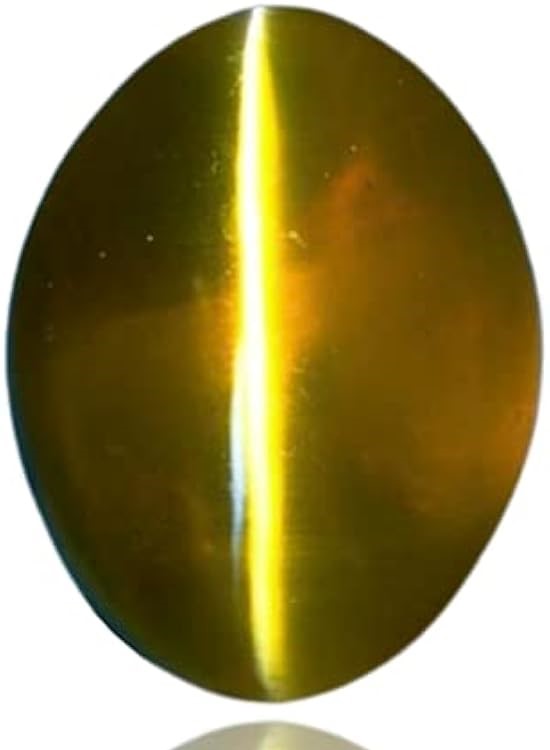
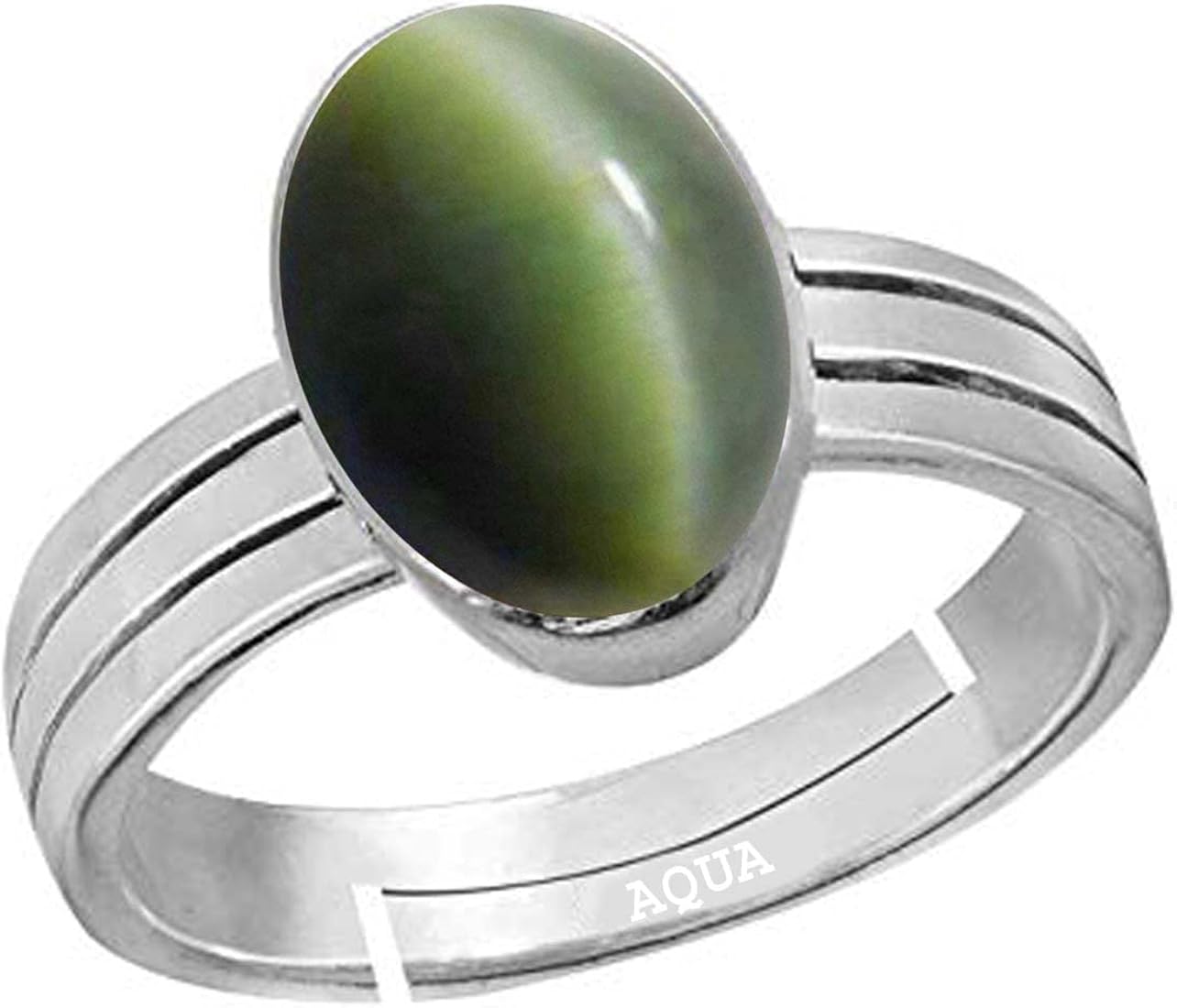
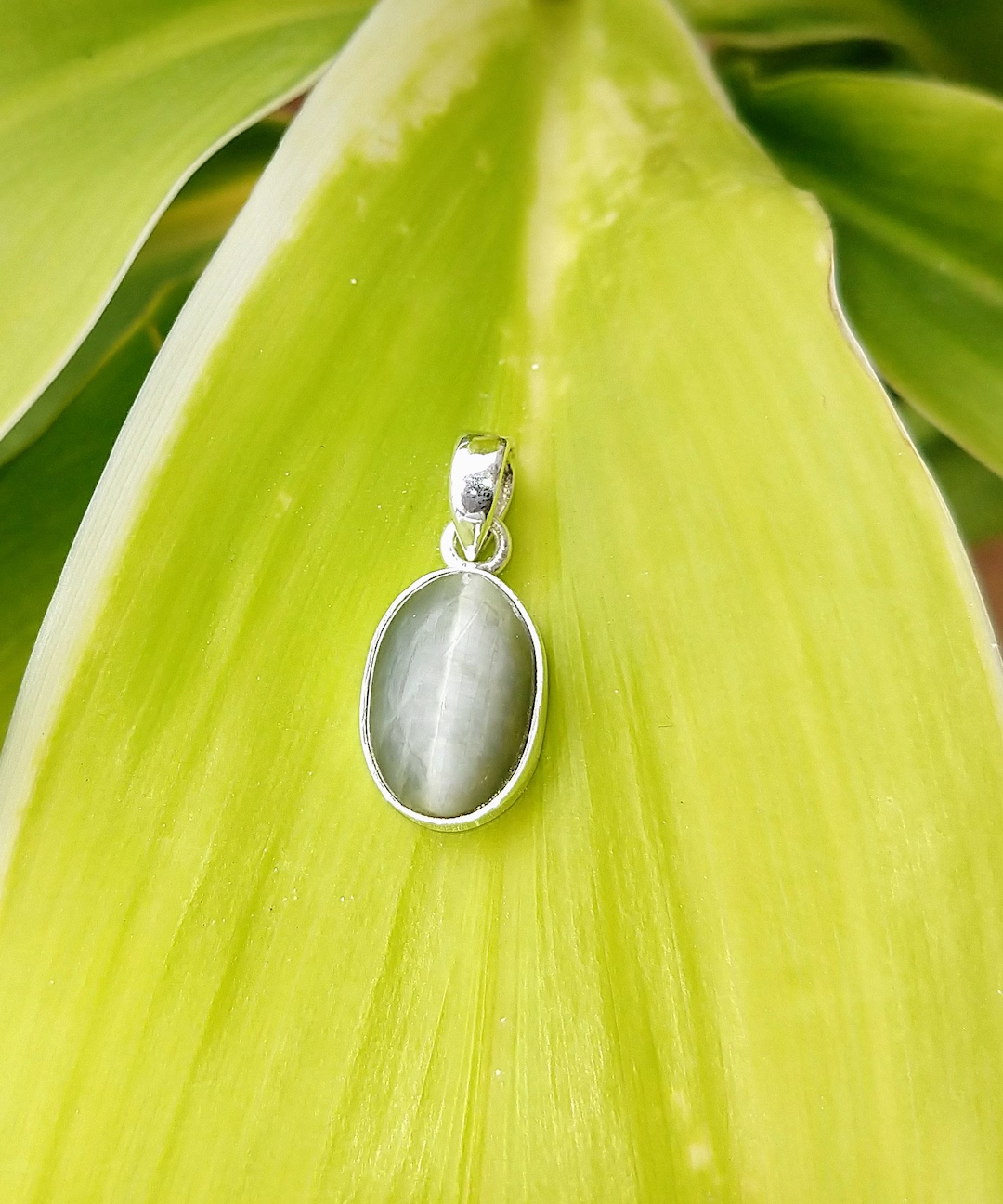
Cat’s Eye, also known as Vaidoorya, is a powerful gemstone associated with the shadow planet Ketu in Vedic astrology. It is known for its unique optical effect called chatoyancy, which creates a bright line across the surface resembling a cat’s eye. This gemstone is valued for its protective qualities and is widely used in rings and pendants for astrological purposes.

At ShreeCrystal, we provide carefully selected Cat’s Eye (Vaidoorya) gemstones that are chosen for their quality and authenticity.

Origin – Countries Where Cat’s Eye is Found
  • India
  • Sri Lanka
  • Madagascar
  • Tanzania
  • Brazil
  • Myanmar
  • China
Scientific, Physical and Chemical Properties
  • Mineral Family: Chrysoberyl (commonly)
  • Chemical Composition: Beryllium Aluminum Oxide (BeAl₂O₄)
  • Color: Greenish-yellow, honey, brown, grey
  • Hardness: 8.5 on Mohs scale
  • Refractive Index: 1.74–1.75
  • Specific Gravity: 3.5–3.8
  • Transparency: Transparent to translucent

Cat’s Eye is known for its chatoyancy effect, where a single bright band of light moves across the surface when viewed under light.

Key Benefits of Cat’s Eye (Vaidoorya)

When worn after proper consultation, Cat’s Eye is believed to offer:

  • Strong protection from negative energies and hidden dangers
  • Helps in overcoming sudden losses and unexpected problems
  • Enhances intuition and spiritual awareness
  • Supports quick recovery from financial or personal setbacks
  • Improves focus and inner strength
  • Brings stability during uncertain situations

It is especially beneficial for individuals facing sudden challenges or seeking protection and spiritual growth.

Quality Factors of Cat’s Eye

When selecting a Cat’s Eye gemstone, the following factors are important:

  • Chatoyancy Effect: A sharp, clear, and centered “eye line” is the most important quality factor.
  • Color: Honey-yellow or greenish shades are considered high quality.
  • Clarity: Good transparency with minimal inclusions is preferred.
  • Cut: Cabochon cut is ideal to enhance the cat’s eye effect.
  • Natural vs Treated: Natural, untreated stones are more valuable and effective.
Types of Cat’s Eye

Cat’s Eye gemstones are available in different types based on composition and appearance:

  • Chrysoberyl Cat’s Eye
  • Quartz Cat’s Eye
  • Tiger Eye (related appearance but different mineral)
  • Honey Color Cat’s Eye
  • Green Cat’s Eye

Each type differs in strength, appearance, and overall quality.

Ring

Pendant

Note: Worn only After proper Cosultation. Wearing a gemstone without guidence may not give desired results.

For Proper Undertanting and guidence of gemstone desired result and more details
Consult Now
×
whatsapp